ENERGY SAVING AND ENVIRONMENTAL PROTECTION EQUIPMENT AND ENGINEERING GENERAL CONTRACTING


 English
 Русский
 بالعربية
Overcoming Challenges in Coal Slime Drying: Expert Tips and Tricks for Efficiency
2025-07-05
Overcoming Challenges in Coal Slime Drying: Expert Tips and Tricks for Efficiency
Understanding Coal Slime: Characteristics and Challenges
Coal slime, a byproduct of coal washing processes, presents unique challenges in drying due to its high moisture content and complex composition. Typically consisting of fine particles, coal slime often contains water, minerals, and organic matter, which comp
Overcoming Challenges in Coal Slime Drying: Expert Tips and Tricks for Efficiency
Understanding Coal Slime: Characteristics and Challenges
Coal slime, a byproduct of coal washing processes, presents unique challenges in drying due to its high moisture content and complex composition. Typically consisting of fine particles, coal slime often contains water, minerals, and organic matter, which complicates the drying process.
Composition of Coal Slime
Coal slime primarily comprises water, coal particles, and ash. The high moisture content can range from 25% to 60%, depending on the washing technique and the source of the coal. This composition affects not only the drying efficiency but also the energy consumption and environmental impact of the drying process.
Challenges Faced in Drying Coal Slime
1. **High Moisture Content**: The initial moisture level in coal slime requires substantial energy input for effective drying.
2. **Particle Size**: Fine particles can clump together, creating uneven drying and leading to potential quality issues.
3. **Heat Sensitivity**: Overheating can lead to chemical changes, affecting coal quality and emitting harmful gases.
4. **Environmental Regulations**: Compliance with environmental standards can restrict certain drying methods, necessitating innovative solutions.
Effective Drying Methods for Coal Slime
There are various methods employed in drying coal slime, each with its unique advantages and challenges. Understanding these methods is crucial for selecting the right approach.
Conventional Drying Techniques
1. **Belt Dryers**: These provide a continuous drying process, where coal slime is spread on a moving belt. While effective, they can be energy-intensive.
2. **Rotary Dryers**: Ideal for large quantities, rotary dryers utilize a rotating drum to facilitate drying. However, they require careful temperature control to prevent over-drying or combustion.
3. **Fluidized Bed Dryers**: This method offers uniform drying and high efficiency but can be costly due to the technology required.
Advanced Drying Technologies
1. **Microwave Drying**: This innovative approach uses microwave energy to heat the slime internally, ensuring faster drying with lower energy consumption.
2. **Infrared Drying**: Utilizing infrared radiation, this method provides quick and efficient drying, ideal for thin layers of coal slime.
3. **Vacuum Drying**: By reducing the pressure, this method lowers the boiling point of water, allowing for effective drying at lower temperatures.
Best Practices for Optimizing Coal Slime Drying
Implementing best practices can significantly improve the efficiency of coal slime drying processes.
Moisture Management
Controlling the initial moisture content of coal slime can lead to better drying outcomes. Pre-treatment methods such as thickening and centrifugation can be employed to reduce moisture levels before drying begins.
Temperature Control
Maintaining optimal drying temperatures is essential. Too high temperatures can lead to overheating and poor quality, while too low temperatures can prolong the drying process. Continuous monitoring and adjusting based on real-time data can enhance the drying efficiency.
Energy Efficiency Measures
1. **Heat Recovery Systems**: Installing systems to recapture and reuse heat can significantly cut energy costs.
2. **Insulation**: Proper insulation of drying equipment minimizes heat loss, improving energy efficiency.
3. **Automation and Control Systems**: Implementing automated controls can optimize drying processes, ensuring consistent results while reducing labor costs.
Environmental Considerations in Coal Slime Drying
With increasing regulations, addressing environmental concerns in coal slime drying is paramount.
Emissions Control
Utilizing emission control technologies, such as scrubbers and filters, can minimize harmful emissions from drying processes. Adhering to local regulations can prevent fines and enhance public relations.
Water Management Strategies
Recycling water used in the drying process can significantly reduce water consumption. Implementing a closed-loop system allows for the reuse of water, minimizing environmental impact.
Case Studies: Successful Coal Slime Drying Implementations
Examining successful case studies can provide valuable insights for industry professionals.
Case Study 1: Improved Efficiency through Microwave Technology
A coal processing plant implemented microwave drying technology, resulting in a 30% reduction in drying time and a significant decrease in energy consumption. The use of this technology also improved the overall quality of the dried product.
Case Study 2: Integration of Heat Recovery Systems
In another instance, a facility integrated heat recovery systems into their rotary dryers, achieving a 40% reduction in energy costs. This system not only improved efficiency but also enhanced the sustainability of their operations.
Future Trends in Coal Slime Drying
The industry is evolving, with emerging trends shaping the future of coal slime drying.
Innovative Drying Technologies
Research into nanotechnology and advanced materials may offer new solutions for effective drying. These developments could lead to more efficient, cost-effective drying methods that reduce environmental impact.
Automation and Smart Technologies
The increase in automation and smart technology integration in drying processes will enhance control, efficiency, and data collection, allowing for further optimization of coal slime drying.
FAQs about Coal Slime Drying
1. What is coal slime, and why is it challenging to dry?
Coal slime is a byproduct of coal washing that contains high moisture and fine particles, complicating the drying process due to its composition.
2. What are the most effective drying methods for coal slime?
Effective methods include rotary dryers, belt dryers, and advanced technologies like microwave and infrared drying.
3. How can I improve the energy efficiency of coal slime drying?
Implementing heat recovery systems, proper insulation, and automated control systems can enhance energy efficiency.
4. What environmental regulations should I consider in coal slime drying?
It is essential to comply with local emissions and water use regulations to minimize environmental impact and avoid penalties.
5. Are there any innovative technologies on the horizon for coal slime drying?
Yes, emerging technologies such as nanotechnology and smart automation are expected to revolutionize coal slime drying processes in the future.
Conclusion
Overcoming the challenges associated with coal slime drying requires a multifaceted approach that incorporates understanding the material's characteristics, selecting appropriate drying methods, and implementing best practices. By focusing on energy efficiency, environmental compliance, and innovative technologies, industry professionals can enhance their drying processes, ensuring not only operational efficiency but also sustainability. As the industry continues to evolve, staying informed about emerging trends and technologies will be crucial for maintaining a competitive edge in coal slime drying.
Coal slime dryer
RELEVANT INFORMATION
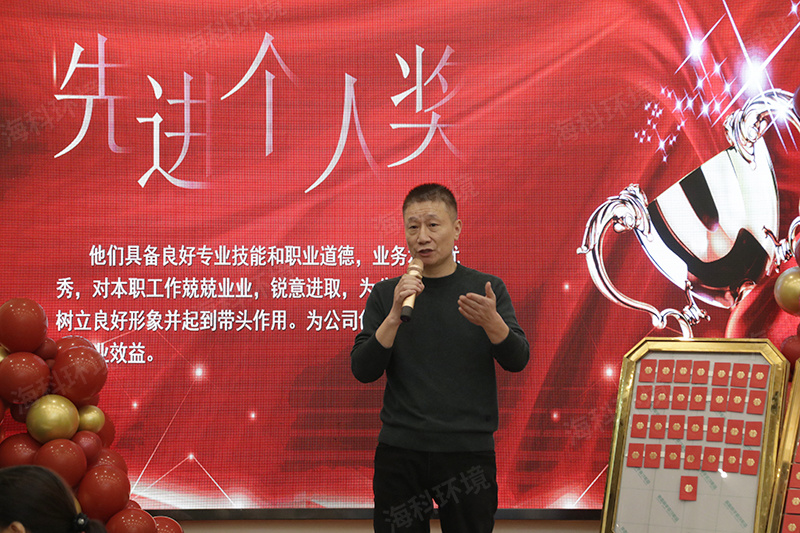
The 2023 Annual Meeting of Jiangsu Haike Environmental Technology Engineering Co., Ltd
2024-01-08
The 2023 Annual Meeting of Jiangsu Haike Environmental Technology Engineering Co., Ltd

Provide energy-saving and environmental protection equipment solutions

Mobile Website
Salesperson business card
No.1 Wei'er Branch Road, Shanggang Industrial Park, Jianhu County, Jiangsu Province
