ENERGY SAVING AND ENVIRONMENTAL PROTECTION EQUIPMENT AND ENGINEERING GENERAL CONTRACTING


 English
 Русский
 بالعربية
Understanding the Drying Cycle of Coal Slime Dryers: A Comprehensive Guide
2025-08-10
Understanding the Drying Cycle of Coal Slime Dryers
Table of Contents
1. Introduction to Coal Slime Dryers
2. What is Coal Slime?
3. Importance of Drying Coal Slime
4. Principles of Coal Slime Drying
5. The Drying Process of Coal Slime
6. Factors Affecting the Drying Cycle
7. Advancements in Coal Slime Dryer Technology
8. Maintenance Tips for Coal Slime Dryers
Understanding the Drying Cycle of Coal Slime Dryers
Table of Contents
- 1. Introduction to Coal Slime Dryers
- 2. What is Coal Slime?
- 3. Importance of Drying Coal Slime
- 4. Principles of Coal Slime Drying
- 5. The Drying Process of Coal Slime
- 6. Factors Affecting the Drying Cycle
- 7. Advancements in Coal Slime Dryer Technology
- 8. Maintenance Tips for Coal Slime Dryers
- 9. Conclusion
- 10. Frequently Asked Questions (FAQs)
1. Introduction to Coal Slime Dryers
Coal slime dryers play a critical role in the coal industry, particularly in the processing and utilization of coal byproducts. These dryers are specifically designed to remove moisture from coal slime, ensuring that it meets the required specifications for further processing or direct use. Understanding the drying cycle is essential not only for optimizing the performance of the dryer itself but also for enhancing overall operational efficiency in coal processing plants.
2. What is Coal Slime?
Coal slime refers to the fine particles and residual materials generated during the coal washing and processing stages. Comprising a mixture of coal, water, and other impurities, coal slime presents challenges in terms of disposal and utilization. The presence of moisture in coal slime can lead to various complications, including reduced energy efficiency, increased transportation costs, and environmental concerns. Therefore, effective drying of coal slime is paramount to mitigate these issues.
3. Importance of Drying Coal Slime
The drying process of coal slime is crucial for several reasons:
3.1. Enhancing Energy Efficiency
Moisture-laden coal slime has lower energy content. By drying it efficiently, operators can enhance its calorific value, making it more suitable for combustion and other energy applications.
3.2. Improving Product Quality
Drying reduces impurities and enhances the quality of coal products. High-quality coal is essential for industries relying on consistent energy performance.
3.3. Reducing Transportation Costs
Lower moisture content results in lighter load, reducing transportation costs and improving logistics efficiency.
4. Principles of Coal Slime Drying
The drying cycle of coal slime dryers revolves around several fundamental principles aimed at effectively removing moisture.
4.1. Heat Transfer Mechanisms
Heat transfer is primarily facilitated through conduction, convection, and radiation. Understanding these mechanisms allows for optimized dryer design and operational parameters.
4.2. Mass Transfer Dynamics
Mass transfer is the process of moisture moving from the interior of the coal slime to its surface for evaporation. Factors such as airflow rate and temperature significantly influence this process.
5. The Drying Process of Coal Slime
The drying cycle in coal slime dryers can be broken down into several stages:
5.1. Pre-Drying Stage
In this initial stage, the coal slime is introduced into the dryer. Proper feeding mechanisms ensure an even distribution of material, which is crucial for uniform drying.
5.2. Evaporation Stage
The core phase of the drying cycle involves the application of heat, causing moisture to evaporate. Here, the temperature and airflow are carefully controlled to maximize efficiency.
5.3. Post-Drying Stage
After the drying process, the dried product is cooled and transferred for further processing or storage. Effective cooling prevents reabsorption of moisture.
6. Factors Affecting the Drying Cycle
Understanding the variables that impact the drying cycle is essential for optimizing operations.
6.1. Moisture Content
The initial moisture content of coal slime significantly influences drying time and energy consumption. Higher moisture levels require more energy for evaporation.
6.2. Temperature and Airflow
The temperature applied during the drying process and the airflow rate can dramatically affect drying efficiency. Optimal settings vary based on the specific properties of the coal slime.
6.3. Particle Size
The size of coal slime particles affects the surface area available for moisture evaporation. Smaller particles generally dry faster than larger ones.
7. Advancements in Coal Slime Dryer Technology
Recent technological advancements have revolutionized coal slime drying, leading to more efficient processes.
7.1. Automated Control Systems
Modern coal slime dryers are equipped with automated control systems that monitor temperature, humidity, and airflow in real-time, ensuring optimal drying conditions.
7.2. Energy Recovery Systems
Energy recovery technologies enable the reuse of heat generated during the drying process, significantly improving energy efficiency and reducing operational costs.
7.3. Eco-Friendly Solutions
Innovations are focusing on developing eco-friendly drying technologies that minimize emissions and adhere to environmental regulations, addressing industry sustainability concerns.
8. Maintenance Tips for Coal Slime Dryers
Regular maintenance is essential to ensure the longevity and efficiency of coal slime dryers. Here are some key practices:
8.1. Daily Inspections
Conduct daily inspections to check for wear and tear, leaks, and any unusual noises. Early detection of issues can prevent costly repairs.
8.2. Regular Cleaning
Dirt and residue can accumulate in dryers. Regular cleaning ensures efficient airflow and prevents blockages, enhancing performance.
8.3. Monitoring Control Systems
Keep an eye on the performance of automated control systems. Regular calibration ensures accurate readings and optimal drying conditions.
9. Conclusion
The drying cycle of coal slime dryers is a sophisticated process that involves various stages and requires careful consideration of multiple factors. By understanding the principles and technology behind coal slime drying, industry professionals can enhance operational efficiency, improve product quality, and reduce overall costs. As advancements continue to shape this essential process, staying informed about the latest technologies and best practices is crucial for success in the coal industry.
10. Frequently Asked Questions (FAQs)
10.1. What is the optimal temperature for drying coal slime?
The optimal temperature for drying coal slime typically ranges between 80°C and 120°C, depending on the specific moisture content and particle size.
10.2. How long does the drying process take?
The duration of the drying process can vary widely, usually ranging from 30 minutes to several hours, based on the moisture content and dryer efficiency.
10.3. Can coal slime be reused after drying?
Yes, dried coal slime can be reused in various applications, including energy production, as it has a higher calorific value compared to its wet form.
10.4. What maintenance is required for coal slime dryers?
Regular maintenance includes daily inspections, cleaning of components, and monitoring automated control systems to ensure optimal performance.
10.5. Are there eco-friendly options for coal slime drying?
Yes, advancements in technology are focusing on eco-friendly drying solutions that minimize emissions and promote energy recovery, making the process more sustainable.
Coal slime dryer
RELEVANT INFORMATION
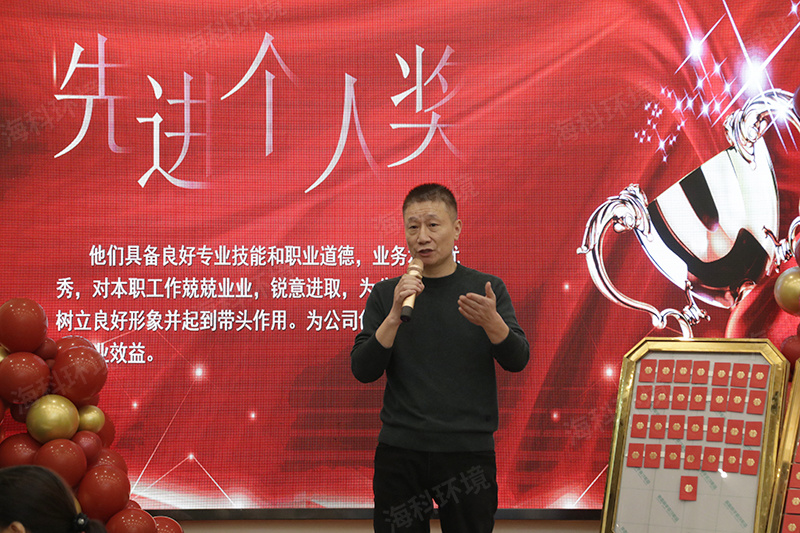
The 2023 Annual Meeting of Jiangsu Haike Environmental Technology Engineering Co., Ltd
2024-01-08
The 2023 Annual Meeting of Jiangsu Haike Environmental Technology Engineering Co., Ltd

Provide energy-saving and environmental protection equipment solutions

Mobile Website
Salesperson business card
No.1 Wei'er Branch Road, Shanggang Industrial Park, Jianhu County, Jiangsu Province
