ENERGY SAVING AND ENVIRONMENTAL PROTECTION EQUIPMENT AND ENGINEERING GENERAL CONTRACTING


 English
 Русский
 بالعربية
Understanding Industrial Bag Filters: Key Components and Benefits
2025-10-06
Industrial bag filters play a vital role in the domain of air purification, particularly within the industrial sector. These systems are designed to capture airborne particles, dust, and other contaminants, thereby ensuring cleaner air in manufacturing and processing environments. Comprising a series of filter bags housed in a framework, industrial bag filters utilize a simple yet effective mechan
Industrial bag filters play a vital role in the domain of air purification, particularly within the industrial sector. These systems are designed to capture airborne particles, dust, and other contaminants, thereby ensuring cleaner air in manufacturing and processing environments. Comprising a series of filter bags housed in a framework, industrial bag filters utilize a simple yet effective mechanism to enhance air quality.
One of the primary features of industrial bag filters is their filtration media. Typically made from woven or non-woven textiles, these materials are engineered to trap particles of varying sizes. The choice of filter material is crucial, as it directly influences the filter's efficiency, dust-holding capacity, and operational lifespan. Common materials include polyester, polypropylene, and even specialized fabrics designed for high-temperature or chemical resistance applications.
The operation of an industrial bag filter is straightforward. As contaminated air enters the filter housing, it passes through the filter bags. Larger particles are trapped on the surface, while smaller particles penetrate deeper into the fabric. Over time, the accumulated dust creates a layer on the filter that enhances its filtration efficiency—a phenomenon known as “filter cake.” However, regular maintenance is necessary to prevent excessive pressure drop and ensure optimal performance.
Another critical aspect of industrial bag filters is their ability to handle varying airflows. Many systems are designed to accommodate fluctuations in operational demands, making them suitable for diverse applications, from woodworking to food processing. Advanced designs may also incorporate features like pulse jet cleaning systems, which periodically release bursts of compressed air to dislodge collected dust from the filter bags, promoting longer service life and reducing downtime.
The benefits of utilizing industrial bag filters extend beyond just improved air quality. By capturing harmful particulate matter, these systems contribute to a safer working environment for employees, thus enhancing overall productivity. Additionally, effective dust control can lead to compliance with environmental regulations, helping companies avoid potential fines and reputational damage.
In summary, industrial bag filters are essential components in the air purification landscape, particularly for industries that generate substantial airborne pollutants. Their design, operational principles, and advantages make them indispensable for maintaining air quality and ensuring compliance with health and safety standards. As industries continue to prioritize environmental responsibility, the role of industrial bag filters will only grow in significance, reinforcing their status as a key element in effective air filtration systems.
One of the primary features of industrial bag filters is their filtration media. Typically made from woven or non-woven textiles, these materials are engineered to trap particles of varying sizes. The choice of filter material is crucial, as it directly influences the filter's efficiency, dust-holding capacity, and operational lifespan. Common materials include polyester, polypropylene, and even specialized fabrics designed for high-temperature or chemical resistance applications.
The operation of an industrial bag filter is straightforward. As contaminated air enters the filter housing, it passes through the filter bags. Larger particles are trapped on the surface, while smaller particles penetrate deeper into the fabric. Over time, the accumulated dust creates a layer on the filter that enhances its filtration efficiency—a phenomenon known as “filter cake.” However, regular maintenance is necessary to prevent excessive pressure drop and ensure optimal performance.
Another critical aspect of industrial bag filters is their ability to handle varying airflows. Many systems are designed to accommodate fluctuations in operational demands, making them suitable for diverse applications, from woodworking to food processing. Advanced designs may also incorporate features like pulse jet cleaning systems, which periodically release bursts of compressed air to dislodge collected dust from the filter bags, promoting longer service life and reducing downtime.
The benefits of utilizing industrial bag filters extend beyond just improved air quality. By capturing harmful particulate matter, these systems contribute to a safer working environment for employees, thus enhancing overall productivity. Additionally, effective dust control can lead to compliance with environmental regulations, helping companies avoid potential fines and reputational damage.
In summary, industrial bag filters are essential components in the air purification landscape, particularly for industries that generate substantial airborne pollutants. Their design, operational principles, and advantages make them indispensable for maintaining air quality and ensuring compliance with health and safety standards. As industries continue to prioritize environmental responsibility, the role of industrial bag filters will only grow in significance, reinforcing their status as a key element in effective air filtration systems.
Industrial bag filter
RELEVANT INFORMATION
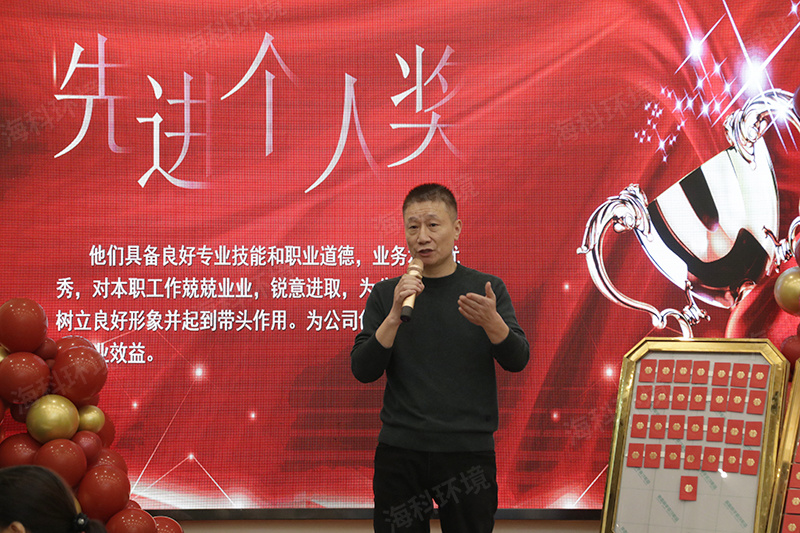
The 2023 Annual Meeting of Jiangsu Haike Environmental Technology Engineering Co., Ltd
2024-01-08
The 2023 Annual Meeting of Jiangsu Haike Environmental Technology Engineering Co., Ltd

Provide energy-saving and environmental protection equipment solutions

Mobile Website
Salesperson business card
No.1 Wei'er Branch Road, Shanggang Industrial Park, Jianhu County, Jiangsu Province
