ENERGY SAVING AND ENVIRONMENTAL PROTECTION EQUIPMENT AND ENGINEERING GENERAL CONTRACTING


 English
 Русский
 بالعربية
Understanding Coal Dryers: Essential Insights for Efficient Industrial Drying
2025-12-11
Coal dryers are specialized industrial equipment designed to reduce the moisture content in coal, ensuring optimal performance for energy production and other applications. The drying process not only improves the calorific value of coal but also minimizes transportation costs and enhances combustion efficiency. As industries increasingly demand higher efficiency and lower emissions, understanding
Coal dryers are specialized industrial equipment designed to reduce the moisture content in coal, ensuring optimal performance for energy production and other applications. The drying process not only improves the calorific value of coal but also minimizes transportation costs and enhances combustion efficiency. As industries increasingly demand higher efficiency and lower emissions, understanding the role and technology behind coal dryers becomes crucial for operations.
The primary function of a coal dryer is to remove excess moisture from raw coal. This process typically employs thermal energy, often derived from hot air or flue gases, to evaporate water contained within the coal. The design of coal dryers varies, but they generally fall into two main categories: direct and indirect dryers. Direct dryers introduce hot air directly into the coal bed, while indirect dryers use heat exchangers to transfer heat without direct contact with the coal. Each type has its unique advantages, and the choice often depends on specific operational requirements and environmental considerations.
One of the key benefits of using a coal dryer is the significant reduction in moisture content, which leads to improved thermal efficiency during combustion. Drier coal burns hotter and more efficiently, resulting in lower emissions of harmful pollutants. This is particularly important in today's regulatory landscape, where industries are held to strict environmental standards. Furthermore, by lowering the moisture content, coal dryers can increase the overall energy yield from the coal, making operations more cost-effective.
When implementing a coal drying system, several factors should be considered. Firstly, the choice of technology should align with the specific properties of the coal being processed. Different coals may require different drying techniques or temperatures to achieve optimal results. Additionally, the scale of operations plays a critical role; larger operations may benefit from continuous drying systems, whereas smaller setups might find batch systems more efficient.
Energy consumption is another important aspect to consider. Selecting a dryer that utilizes waste heat recovery can significantly reduce operational costs and enhance overall efficiency. Furthermore, advances in automation technology allow for better control of the drying process, leading to consistent product quality and reduced operational downtime.
In conclusion, coal dryers serve a vital role in the coal processing industry, enhancing fuel quality and ensuring compliance with environmental regulations. By understanding the various types of coal dryers, their operational benefits, and the key considerations for implementation, businesses can optimize their drying processes and contribute to a more sustainable industrial future.
The primary function of a coal dryer is to remove excess moisture from raw coal. This process typically employs thermal energy, often derived from hot air or flue gases, to evaporate water contained within the coal. The design of coal dryers varies, but they generally fall into two main categories: direct and indirect dryers. Direct dryers introduce hot air directly into the coal bed, while indirect dryers use heat exchangers to transfer heat without direct contact with the coal. Each type has its unique advantages, and the choice often depends on specific operational requirements and environmental considerations.
One of the key benefits of using a coal dryer is the significant reduction in moisture content, which leads to improved thermal efficiency during combustion. Drier coal burns hotter and more efficiently, resulting in lower emissions of harmful pollutants. This is particularly important in today's regulatory landscape, where industries are held to strict environmental standards. Furthermore, by lowering the moisture content, coal dryers can increase the overall energy yield from the coal, making operations more cost-effective.
When implementing a coal drying system, several factors should be considered. Firstly, the choice of technology should align with the specific properties of the coal being processed. Different coals may require different drying techniques or temperatures to achieve optimal results. Additionally, the scale of operations plays a critical role; larger operations may benefit from continuous drying systems, whereas smaller setups might find batch systems more efficient.
Energy consumption is another important aspect to consider. Selecting a dryer that utilizes waste heat recovery can significantly reduce operational costs and enhance overall efficiency. Furthermore, advances in automation technology allow for better control of the drying process, leading to consistent product quality and reduced operational downtime.
In conclusion, coal dryers serve a vital role in the coal processing industry, enhancing fuel quality and ensuring compliance with environmental regulations. By understanding the various types of coal dryers, their operational benefits, and the key considerations for implementation, businesses can optimize their drying processes and contribute to a more sustainable industrial future.
Coal Dryer
RELEVANT INFORMATION
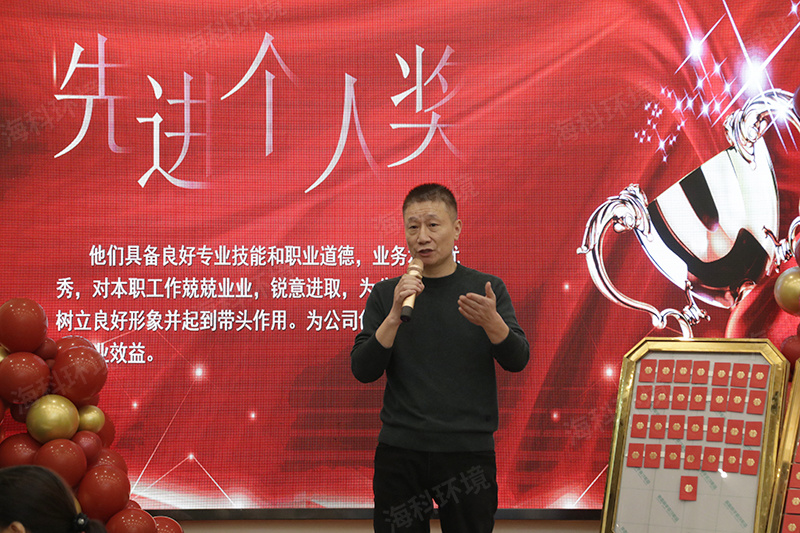
The 2023 Annual Meeting of Jiangsu Haike Environmental Technology Engineering Co., Ltd
2024-01-08
The 2023 Annual Meeting of Jiangsu Haike Environmental Technology Engineering Co., Ltd

Provide energy-saving and environmental protection equipment solutions

Mobile Website
Salesperson business card
No.1 Wei'er Branch Road, Shanggang Industrial Park, Jianhu County, Jiangsu Province
