ENERGY SAVING AND ENVIRONMENTAL PROTECTION EQUIPMENT AND ENGINEERING GENERAL CONTRACTING


 English
 Русский
 بالعربية
Maximizing Air Quality: Understanding Industrial Bag Filters in Dust Collection Systems
2026-03-06
Industrial bag filters play a crucial role in air purification and dust collection systems in various industrial sectors. These filters are designed to capture particulate matter, dust, and other airborne contaminants, significantly improving air quality and ensuring compliance with environmental regulations. Understanding the functionality and advantages of industrial bag filters can help organiz
Industrial bag filters play a crucial role in air purification and dust collection systems in various industrial sectors. These filters are designed to capture particulate matter, dust, and other airborne contaminants, significantly improving air quality and ensuring compliance with environmental regulations. Understanding the functionality and advantages of industrial bag filters can help organizations optimize their dust collection processes, leading to enhanced operational efficiency and worker safety.
At the heart of an industrial bag filter is its filtration mechanism. These filters typically consist of a series of fabric bags, which are mounted in a sturdy frame. Air laden with dust and particles is drawn through the fabric, where contaminants are trapped while clean air exits the system. The choice of filter media is critical; different fabrics offer varying levels of filtration efficiency, durability, and resistance to specific chemicals or temperatures. Selecting the right material for specific applications can vastly improve filtration performance and longevity.
One of the primary benefits of using industrial bag filters is their ability to control pollution and maintain a cleaner working environment. By effectively capturing dust particles, these filters help to reduce the risk of respiratory issues among workers, contribute to a healthier workplace atmosphere, and minimize the environmental impact of industrial activities. Furthermore, efficient dust collection systems can lead to reduced maintenance costs for machinery and prolong the lifespan of equipment by preventing dust accumulation on vital components.
To maximize the effectiveness of industrial bag filters, proper maintenance and regular monitoring are essential. This includes routine inspections, timely replacement of filter bags, and ensuring that the system operates at optimal airflow rates. Over time, filters can become clogged with dust, leading to increased pressure drops and reduced efficiency. Implementing a proactive maintenance schedule can help identify issues early and ensure that the filtration system functions at peak performance.
Moreover, advancements in technology have led to the development of smart monitoring systems that can provide real-time data on filter performance. These systems enable industrial operators to track the condition of bag filters, optimize airflow, and schedule maintenance activities based on actual usage rather than fixed intervals. This data-driven approach not only enhances operational efficiency but also reduces downtime and operational costs.
In conclusion, industrial bag filters are vital components of dust collection systems that significantly contribute to air quality management in industrial environments. By understanding their functionality, benefits, and maintenance requirements, organizations can ensure a cleaner and safer workspace while complying with environmental standards. Investing in the right filtration technology and embracing best practices can lead to long-term benefits for both employees and the environment.
At the heart of an industrial bag filter is its filtration mechanism. These filters typically consist of a series of fabric bags, which are mounted in a sturdy frame. Air laden with dust and particles is drawn through the fabric, where contaminants are trapped while clean air exits the system. The choice of filter media is critical; different fabrics offer varying levels of filtration efficiency, durability, and resistance to specific chemicals or temperatures. Selecting the right material for specific applications can vastly improve filtration performance and longevity.
One of the primary benefits of using industrial bag filters is their ability to control pollution and maintain a cleaner working environment. By effectively capturing dust particles, these filters help to reduce the risk of respiratory issues among workers, contribute to a healthier workplace atmosphere, and minimize the environmental impact of industrial activities. Furthermore, efficient dust collection systems can lead to reduced maintenance costs for machinery and prolong the lifespan of equipment by preventing dust accumulation on vital components.
To maximize the effectiveness of industrial bag filters, proper maintenance and regular monitoring are essential. This includes routine inspections, timely replacement of filter bags, and ensuring that the system operates at optimal airflow rates. Over time, filters can become clogged with dust, leading to increased pressure drops and reduced efficiency. Implementing a proactive maintenance schedule can help identify issues early and ensure that the filtration system functions at peak performance.
Moreover, advancements in technology have led to the development of smart monitoring systems that can provide real-time data on filter performance. These systems enable industrial operators to track the condition of bag filters, optimize airflow, and schedule maintenance activities based on actual usage rather than fixed intervals. This data-driven approach not only enhances operational efficiency but also reduces downtime and operational costs.
In conclusion, industrial bag filters are vital components of dust collection systems that significantly contribute to air quality management in industrial environments. By understanding their functionality, benefits, and maintenance requirements, organizations can ensure a cleaner and safer workspace while complying with environmental standards. Investing in the right filtration technology and embracing best practices can lead to long-term benefits for both employees and the environment.
Industrial bag filter
RELEVANT INFORMATION
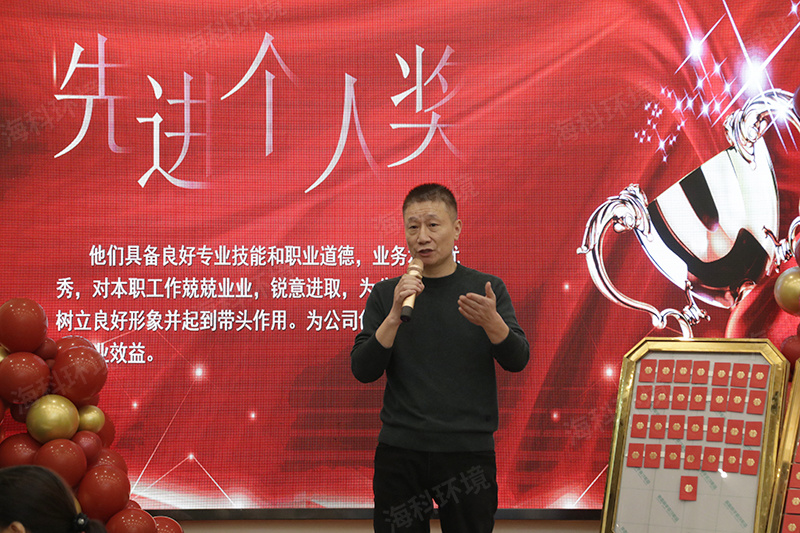
The 2023 Annual Meeting of Jiangsu Haike Environmental Technology Engineering Co., Ltd
2024-01-08
The 2023 Annual Meeting of Jiangsu Haike Environmental Technology Engineering Co., Ltd

Provide energy-saving and environmental protection equipment solutions

Mobile Website
Salesperson business card
No.1 Wei'er Branch Road, Shanggang Industrial Park, Jianhu County, Jiangsu Province
