ENERGY SAVING AND ENVIRONMENTAL PROTECTION EQUIPMENT AND ENGINEERING GENERAL CONTRACTING


 English
 Русский
 بالعربية
Lignite Dryers: Essential Equipment for Efficient Resource Management
2026-05-14
Lignite Dryers: Essential Equipment for Efficient Resource Management
Table of Contents
Introduction to Lignite Dryers
Understanding Lignite Coal
The Importance of Drying Lignite
Working Principle of Lignite Dryers
Types of Lignite Dryers
Applications of Lignite Dryers
Benefits of Using Lignite Dryers
Choosing the Right Lignite Dryer
Frequently Asked Questions
Conclusion
Introduction to Lignite
Lignite Dryers: Essential Equipment for Efficient Resource Management
Table of Contents
- Introduction to Lignite Dryers
- Understanding Lignite Coal
- The Importance of Drying Lignite
- Working Principle of Lignite Dryers
- Types of Lignite Dryers
- Applications of Lignite Dryers
- Benefits of Using Lignite Dryers
- Choosing the Right Lignite Dryer
- Frequently Asked Questions
- Conclusion
Introduction to Lignite Dryers
Lignite dryers are specialized industrial machines designed to efficiently reduce the moisture content in lignite coal before it is further processed or utilized. In an era where resource management is critical for environmental sustainability and profitability, lignite dryers stand out as essential tools in enhancing the quality and usability of lignite. This article delves into the importance of lignite dryers, how they function, and their various applications, ultimately illustrating their role in efficient resource management.
Understanding Lignite Coal
Lignite, often referred to as brown coal, is one of the lowest grades of coal, characterized by its relatively high moisture content, low carbon content, and high volatile matter. Typically found in regions where sedimentary processes have occurred, lignite is a significant energy resource, especially in power generation. However, its high moisture content can hinder its efficiency as a fuel source. Hence, understanding lignite’s properties is crucial in recognizing the need for effective drying solutions.
The Composition and Characteristics of Lignite
Lignite primarily contains:
- **Moisture Content:** Ranging from 30% to 70%, which significantly impacts its calorific value.
- **Carbon Content:** Approximately 25% to 35%, lower than bituminous and anthracite coals.
- **Volatile Matter:** Comprising 45% to 65%, contributing to its high combustibility.
These characteristics make lignite an attractive but challenging fuel source, necessitating efficient drying processes to enhance its usability.
The Importance of Drying Lignite
Drying lignite is paramount for several reasons:
1. **Improved Energy Density:** Reducing moisture content increases the energy density of lignite, making it a more efficient fuel source.
2. **Enhanced Combustion Efficiency:** Drier lignite burns more completely, minimizing emissions and maximizing energy release.
3. **Better Handling and Transportation:** Lower moisture content facilitates easier handling, storage, and transportation of lignite.
By addressing the moisture issue, lignite dryers play a pivotal role in resource management, ensuring that lignite can be utilized effectively and sustainably.
Working Principle of Lignite Dryers
Lignite dryers utilize various drying technologies to reduce moisture content. The working principle typically involves the application of heat to evaporate water from the lignite, coupled with mechanisms to transport and expose the coal to hot air or gases. Here’s a closer look at how this process unfolds:
Heat Transfer Mechanisms
The primary mechanisms for heat transfer in lignite dryers include:
- **Conduction:** Direct contact heating where heat moves from hot surfaces to the lignite.
- **Convection:** Hot air or gases circulate around the lignite, facilitating moisture evaporation.
- **Radiation:** Infrared heating can be employed in some advanced dryers to enhance drying efficiency.
Moisture Removal Process
The two main steps involved in moisture removal are:
1. **Evaporation:** As heat is applied, moisture in the lignite transitions from liquid to vapor.
2. **Ventilation:** Moist air is expelled from the drying chamber, allowing fresh, dry air to facilitate continuous drying.
This combination of mechanisms ensures that lignite is effectively dried while retaining its structural integrity and calorific value.
Types of Lignite Dryers
There are various types of lignite dryers, each designed to cater to specific needs and applications. Here are the most common types:
1. Rotary Dryers
Rotary dryers utilize a rotating cylindrical shell to tumble the lignite while hot air is introduced. This method ensures uniform exposure to heat and moisture removal.
2. Fluidized Bed Dryers
In fluidized bed dryers, lignite is suspended in a stream of hot air, promoting efficient heat transfer and moisture elimination. This method is commonly used for its uniform drying characteristics.
3. Flash Dryers
Flash dryers utilize a high-velocity hot air stream to quickly remove moisture from lignite. This method is particularly effective for smaller lignite particles and offers rapid drying capabilities.
4. Belt Dryers
Belt dryers operate by passing lignite over a conveyor belt through a drying chamber, where hot air is blown over the lignite. This method is efficient for larger batches of lignite.
5. Tray Dryers
Tray dryers consist of multiple trays stacked vertically, allowing hot air to pass through the trays and dry the lignite placed on them. This method is suitable for small-scale operations.
Understanding these types helps industries choose the right dryer based on their specific requirements, ensuring optimal drying performance.
Applications of Lignite Dryers
Lignite dryers find applications across various industries, showcasing their versatility and importance in resource management:
1. Power Generation
In coal-fired power plants, dried lignite enhances combustion efficiency, resulting in more reliable electricity production.
2. Cement Production
Lignite is often used as a fuel in cement kilns; drying it improves its calorific value, thus enhancing the overall efficiency of cement manufacturing.
3. District Heating
Dried lignite can be used in combined heat and power plants, providing both electricity and heating for residential and commercial buildings.
4. Industrial Heating Applications
Industries that require high-temperature processes can utilize dried lignite as a cost-effective fuel source, improving operational efficiency and reducing costs.
Benefits of Using Lignite Dryers
Implementing lignite dryers offers numerous benefits that contribute to efficient resource management:
1. Increased Energy Efficiency
By removing excess moisture, lignite dryers enhance the energy efficiency of lignite, resulting in higher output from combustion processes.
2. Reduced Emissions
Drier lignite produces fewer emissions when burned, contributing to environmental sustainability and compliance with regulatory standards.
3. Cost Savings
Utilizing lignite dryers can lead to substantial cost savings in fuel consumption and transportation, making lignite a more economically viable energy source.
4. Enhanced Product Quality
Dried lignite offers improved combustion characteristics and reliability, leading to enhanced product quality across various applications.
5. Flexibility and Adaptability
Lignite dryers can be tailored to meet specific operational requirements, allowing industries to optimize processes based on their unique needs.
Choosing the Right Lignite Dryer
When selecting a lignite dryer, several factors need to be considered to ensure optimal performance and efficiency:
1. Capacity Requirements
Evaluate the volume of lignite needing drying to choose a dryer with appropriate capacity.
2. Moisture Content
Consider the initial moisture content of the lignite and the desired final moisture level to determine the drying technology required.
3. Energy Source
Assess the available energy sources, such as electricity, gas, or biomass, to match with the dryer’s requirements.
4. Budget Constraints
Establish a budget for the equipment and installation while considering long-term operational costs to ensure financial viability.
5. Manufacturer Reliability
Research and select reputable manufacturers known for their quality, service, and support to ensure a reliable drying solution.
Making an informed choice about lignite dryers will facilitate efficient resource management and enhance operational performance.
Frequently Asked Questions
1. What is the primary purpose of lignite dryers?
Lignite dryers are designed to reduce the moisture content of lignite coal, enhancing its energy density and combustion efficiency for various applications.
2. How does moisture content affect lignite combustion?
High moisture content in lignite can lead to lower combustion efficiency and increased emissions, making drying essential for effective utilization.
3. What are the different drying technologies used for lignite?
Common drying technologies include rotary dryers, fluidized bed dryers, flash dryers, belt dryers, and tray dryers, each catering to specific drying requirements.
4. Can lignite dryers be customized for specific operations?
Yes, lignite dryers can be tailored based on capacity, energy sources, and specific operational needs to optimize drying performance.
5. What are the environmental benefits of using lignite dryers?
By improving combustion efficiency and reducing emissions, lignite dryers contribute to better environmental sustainability and compliance with regulatory standards.
Conclusion
Lignite dryers play a vital role in enhancing the efficiency and sustainability of lignite utilization in various industries. By reducing moisture content, these dryers improve energy density, combustion efficiency, and product quality, making lignite a more viable fuel source. Understanding the types, applications, and benefits of lignite dryers empowers industries to make informed decisions that align with their operational goals and resource management strategies. As the demand for efficient energy solutions continues to grow, lignite dryers will remain essential in optimizing resource management and advancing industrial processes.
Lignite Dryer
RELEVANT INFORMATION
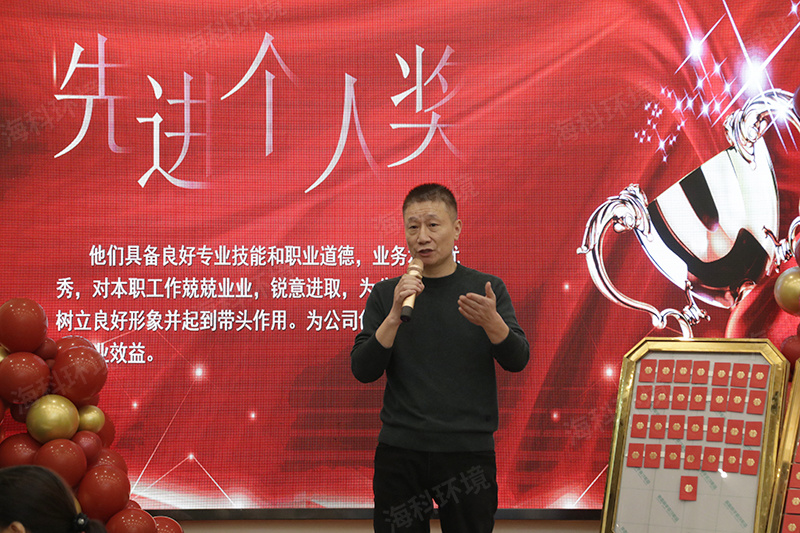
The 2023 Annual Meeting of Jiangsu Haike Environmental Technology Engineering Co., Ltd
2024-01-08
The 2023 Annual Meeting of Jiangsu Haike Environmental Technology Engineering Co., Ltd

Provide energy-saving and environmental protection equipment solutions

Mobile Website
Salesperson business card
No.1 Wei'er Branch Road, Shanggang Industrial Park, Jianhu County, Jiangsu Province
