ENERGY SAVING AND ENVIRONMENTAL PROTECTION EQUIPMENT AND ENGINEERING GENERAL CONTRACTING


 English
 Русский
 بالعربية
Maximizing Efficiency with Coal Dryers: Essential Insights for Industrial Applications
2026-07-11
Coal dryers are specialized industrial equipment designed to remove moisture from coal, enhancing its quality and efficiency for various applications. Moisture content in coal can significantly affect its heating value, combustibility, and overall performance in power generation and other industrial processes. Thus, utilizing an efficient coal dryer is essential for industries relying on coal as a
Coal dryers are specialized industrial equipment designed to remove moisture from coal, enhancing its quality and efficiency for various applications. Moisture content in coal can significantly affect its heating value, combustibility, and overall performance in power generation and other industrial processes. Thus, utilizing an efficient coal dryer is essential for industries relying on coal as a primary fuel source.
The operation of coal dryers typically involves several methods, including direct and indirect drying techniques. Direct drying involves hot air or gases coming into direct contact with the coal, effectively evaporating moisture. Indirect drying, on the other hand, uses heat transfer through surfaces that do not come into contact with the coal, allowing for a more controlled drying environment. Each method has its own advantages and can be selected based on specific operational requirements.
One of the key benefits of coal dryers is that they can significantly enhance the calorific value of coal. By reducing moisture content, the energy output per unit weight of coal increases, leading to improved combustion efficiency. This not only translates to reduced fuel consumption but also minimizes emissions, making the overall process more environmentally friendly—a crucial aspect for industries facing stringent environmental regulations.
In addition to improving energy efficiency, coal dryers can also facilitate better handling and transportation of coal. Drier coal is less prone to clumping and degradation during storage and transit, reducing waste and maintaining the quality of the fuel. This is particularly important for industries that require high-quality coal for specific applications, such as metallurgical processes or power generation.
Moreover, modern coal dryers are often equipped with advanced control systems that allow for real-time monitoring and adjustment of drying parameters. This level of control ensures optimal performance, as operators can adjust the temperature, airflow, and other factors based on the coal's characteristics and external conditions. Such adaptability not only enhances drying efficiency but also contributes to energy savings and reduced operational costs.
In conclusion, the use of coal dryers in industrial applications plays a crucial role in optimizing coal processing. By understanding the various drying methods, benefits, and operational controls associated with coal dryers, professionals in the industrial sector can make informed decisions to enhance productivity and sustainability in their operations. Embracing advanced coal drying technology not only supports better resource management but also contributes to achieving long-term environmental goals.
The operation of coal dryers typically involves several methods, including direct and indirect drying techniques. Direct drying involves hot air or gases coming into direct contact with the coal, effectively evaporating moisture. Indirect drying, on the other hand, uses heat transfer through surfaces that do not come into contact with the coal, allowing for a more controlled drying environment. Each method has its own advantages and can be selected based on specific operational requirements.
One of the key benefits of coal dryers is that they can significantly enhance the calorific value of coal. By reducing moisture content, the energy output per unit weight of coal increases, leading to improved combustion efficiency. This not only translates to reduced fuel consumption but also minimizes emissions, making the overall process more environmentally friendly—a crucial aspect for industries facing stringent environmental regulations.
In addition to improving energy efficiency, coal dryers can also facilitate better handling and transportation of coal. Drier coal is less prone to clumping and degradation during storage and transit, reducing waste and maintaining the quality of the fuel. This is particularly important for industries that require high-quality coal for specific applications, such as metallurgical processes or power generation.
Moreover, modern coal dryers are often equipped with advanced control systems that allow for real-time monitoring and adjustment of drying parameters. This level of control ensures optimal performance, as operators can adjust the temperature, airflow, and other factors based on the coal's characteristics and external conditions. Such adaptability not only enhances drying efficiency but also contributes to energy savings and reduced operational costs.
In conclusion, the use of coal dryers in industrial applications plays a crucial role in optimizing coal processing. By understanding the various drying methods, benefits, and operational controls associated with coal dryers, professionals in the industrial sector can make informed decisions to enhance productivity and sustainability in their operations. Embracing advanced coal drying technology not only supports better resource management but also contributes to achieving long-term environmental goals.
Coal Dryer
RELEVANT INFORMATION
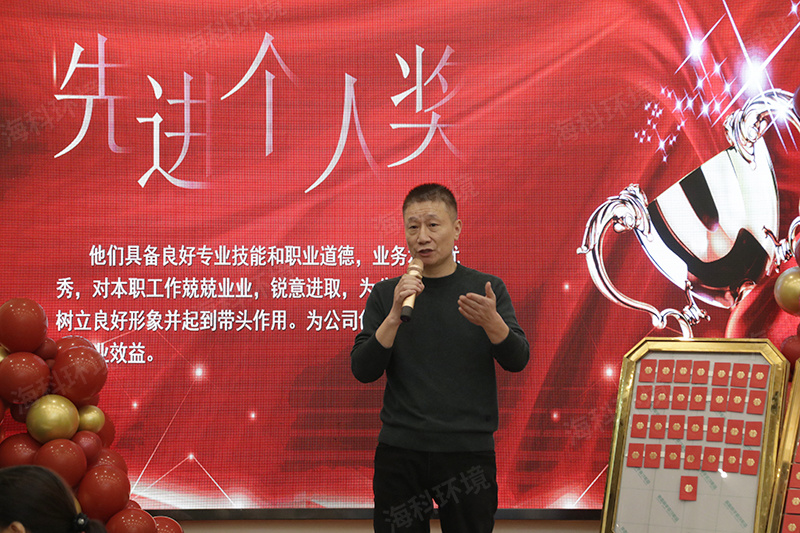
The 2023 Annual Meeting of Jiangsu Haike Environmental Technology Engineering Co., Ltd
2024-01-08
The 2023 Annual Meeting of Jiangsu Haike Environmental Technology Engineering Co., Ltd

Provide energy-saving and environmental protection equipment solutions

Mobile Website
Salesperson business card
No.1 Wei'er Branch Road, Shanggang Industrial Park, Jianhu County, Jiangsu Province
