ENERGY SAVING AND ENVIRONMENTAL PROTECTION EQUIPMENT AND ENGINEERING GENERAL CONTRACTING


 English
 Русский
 بالعربية
An In-Depth Look at the Coal Slime Drying Process: Techniques, Benefits, and Innovations
2026-08-07
An In-Depth Look at the Coal Slime Drying Process: Techniques, Benefits, and Innovations
Table of Contents
1. Introduction to Coal Slime Drying
2. Importance of Drying Coal Slime
3. Description of the Coal Slime Drying Process
4. Methods of Coal Slime Drying
5. Benefits of Efficient Coal Slime Drying
6. Technological Advancements in Drying Equipment
7. Environmental Im
An In-Depth Look at the Coal Slime Drying Process: Techniques, Benefits, and Innovations
Table of Contents
- 1. Introduction to Coal Slime Drying
- 2. Importance of Drying Coal Slime
- 3. Description of the Coal Slime Drying Process
- 4. Methods of Coal Slime Drying
- 5. Benefits of Efficient Coal Slime Drying
- 6. Technological Advancements in Drying Equipment
- 7. Environmental Impact of Coal Slime Drying
- 8. Future Trends in Coal Slime Drying
- 9. Frequently Asked Questions (FAQs)
- 10. Conclusion
1. Introduction to Coal Slime Drying
Coal slime, a byproduct of coal washing and processing, demands careful handling to mitigate environmental impacts and maximize resource recovery. The drying of coal slime is a critical step in coal preparation, as it can significantly affect the efficiency of subsequent processes. By eliminating excess moisture, the drying process enhances the quality of the coal, increasing its marketability and energy value. In this article, we will explore the coal slime drying process in detail, covering its methods, benefits, and future trends.
2. Importance of Drying Coal Slime
The importance of drying coal slime cannot be overstated. Here are several reasons why this process is vital:
2.1 Enhancing Energy Efficiency
By reducing moisture content, dried coal slime results in higher calorific values. This increased energy density is crucial for optimized combustion in power generation, ultimately leading to better energy efficiency.
2.2 Minimizing Environmental Impact
Wet coal slime can contribute to water pollution and other environmental hazards. Efficient drying minimizes the leaching of harmful substances and reduces the waste volume that requires disposal.
2.3 Improving Product Quality
Dried coal delivers enhanced properties, such as improved mechanical strength and reduced stickiness. This ensures better handling, transportation, and combustion efficiency, making it more desirable in industrial applications.
2.4 Compliance with Regulations
As environmental regulations become more stringent, the drying process aids in meeting compliance standards. By effectively managing waste and reducing emissions, companies can operate within legal frameworks while promoting sustainability.
3. Description of the Coal Slime Drying Process
The coal slime drying process involves several stages, each designed to optimize moisture removal while preserving the coal's quality.
3.1 Initial Assessment
Before drying, an initial assessment of the coal slime is conducted. This includes evaluating the moisture content, particle size, and contaminants present. Understanding these factors allows for the selection of the most effective drying method.
3.2 Pre-Treatment
In some cases, a pre-treatment stage may be necessary. This could involve processes such as screening or washing to remove larger impurities, which can enhance the efficiency of the drying process.
3.3 Drying Techniques
This stage incorporates various methods, which will be detailed in the following section. The choice of technique depends on factors like the required moisture content, energy consumption, and production capacity.
3.4 Post-Drying Treatment
After drying, the coal slime may undergo additional treatment to further enhance its quality. This can include granulation, mixing with additives, or storage under controlled conditions to maintain optimal properties.
4. Methods of Coal Slime Drying
Several methods exist for drying coal slime, each with its advantages and disadvantages.
4.1 Rotary Drum Dryers
Rotary drum dryers are widely used in the industry due to their effectiveness and scalability. These dryers use hot air to evaporate moisture, with the coal slime continuously fed into a rotating drum. The constant motion ensures uniform drying.
4.2 Fluidized Bed Dryers
Fluidized bed dryers utilize a stream of air to suspend and convey the coal slime. This method provides excellent heat transfer and moisture removal, making it suitable for fine particles. Fluidized bed drying is known for its energy efficiency and consistent drying rates.
4.3 Belt Dryers
Belt dryers feature a conveyor belt that transports coal slime through a heated chamber. This continuous process allows for large volumes of material to be dried efficiently. Belt dryers are often used for materials that require gentle handling.
4.4 Microwave Drying
Microwave drying is an innovative technique that uses microwave energy to rapidly evaporate moisture from coal slime. This method offers high efficiency and can significantly reduce drying times, although it may require higher capital investment.
4.5 Freeze Drying
While less common in coal slime drying, freeze drying can be an effective method for removing moisture without damaging the coal's structure. This process involves freezing the material and then applying a vacuum to remove ice, resulting in a product with minimal residual moisture.
5. Benefits of Efficient Coal Slime Drying
Implementing efficient coal slime drying techniques presents numerous advantages for industrial operations.
5.1 Cost Savings
By optimizing energy use and reducing waste, effective drying methods can lead to significant cost savings in production.
5.2 Increased Production Capacity
Improved drying techniques enable higher processing rates, allowing facilities to handle larger volumes of coal slime without sacrificing quality.
5.3 Enhanced Product Marketability
With improved quality and reduced moisture content, dried coal is more appealing to buyers, enhancing marketability and potentially leading to better pricing.
5.4 Improved Safety
Dried coal slime presents fewer hazards compared to wet coal slime, reducing risks associated with handling and storage.
6. Technological Advancements in Drying Equipment
Innovation plays a critical role in enhancing coal slime drying processes. Recent technological advancements include:
6.1 Automation and Control Systems
The integration of advanced automation and control systems has improved the precision of drying processes. Real-time monitoring and adjustments ensure optimal conditions, enhancing efficiency and product quality.
6.2 Energy Recovery Systems
New drying equipment often incorporates energy recovery systems that capture waste heat. This reduces overall energy consumption and contributes to sustainability in operations.
6.3 Advanced Materials
The development of new materials for drying equipment has improved durability and efficiency. For example, heat-resistant alloys and advanced insulation materials contribute to better performance.
7. Environmental Impact of Coal Slime Drying
The environmental impact of coal slime drying processes is a significant consideration in industrial operations.
7.1 Emission Control
Modern drying technologies are designed to minimize emissions of volatile organic compounds (VOCs) and particulate matter. Implementing emission control systems is essential for compliance with environmental regulations.
7.2 Waste Management
Efficient drying processes contribute to better waste management practices by reducing the volume of coal slime that requires disposal. This not only lowers disposal costs but also mitigates environmental risks.
7.3 Water Conservation
By optimizing moisture removal, coal slime drying processes contribute to water conservation efforts, which is increasingly important in regions facing water shortages.
8. Future Trends in Coal Slime Drying
As the industry continues to evolve, several trends are shaping the future of coal slime drying:
8.1 Integration of Renewable Energy
The push for sustainability is leading to the integration of renewable energy sources in drying processes, reducing reliance on fossil fuels and lowering carbon footprints.
8.2 Smart Drying Technologies
The adoption of smart technologies, including IoT and machine learning, will enhance operational efficiency by predicting drying needs and optimizing energy use based on real-time data.
8.3 Emphasis on Sustainable Practices
There is a growing emphasis on sustainable practices in the coal industry. Innovations in drying technology are likely to focus on reducing environmental impacts while maximizing resource recovery.
9. Frequently Asked Questions (FAQs)
9.1 What is coal slime?
Coal slime is a byproduct generated during the coal washing process, characterized by its high moisture content and fine particle size.
9.2 Why is drying coal slime important?
Drying coal slime is crucial for enhancing energy efficiency, minimizing environmental impact, improving product quality, and ensuring compliance with regulations.
9.3 What methods are commonly used for drying coal slime?
Common methods include rotary drum dryers, fluidized bed dryers, belt dryers, microwave drying, and freeze drying.
9.4 How does drying coal slime impact the environment?
Efficient drying practices help reduce emissions, manage waste effectively, and conserve water, contributing to a more sustainable operation.
9.5 What are the future trends in coal slime drying?
Future trends include the integration of renewable energy, smart technologies, and a greater emphasis on sustainable practices.
10. Conclusion
In conclusion, the coal slime drying process is a vital aspect of coal preparation that significantly impacts both the quality of the coal and the environmental footprint of industrial operations. By understanding the methods, benefits, and future trends associated with this process, industry professionals can make informed decisions that enhance efficiency and sustainability. As technology advances, the potential for more effective and environmentally friendly drying techniques continues to grow, paving the way for a more sustainable future in coal processing.
Coal slime dryer
RELEVANT INFORMATION
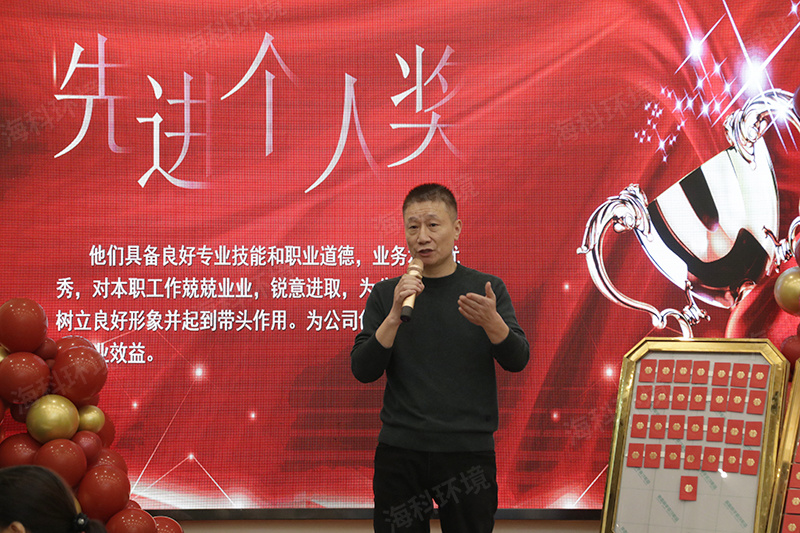
The 2023 Annual Meeting of Jiangsu Haike Environmental Technology Engineering Co., Ltd
2024-01-08
The 2023 Annual Meeting of Jiangsu Haike Environmental Technology Engineering Co., Ltd

Provide energy-saving and environmental protection equipment solutions

Mobile Website
Salesperson business card
No.1 Wei'er Branch Road, Shanggang Industrial Park, Jianhu County, Jiangsu Province
