ENERGY SAVING AND ENVIRONMENTAL PROTECTION EQUIPMENT AND ENGINEERING GENERAL CONTRACTING


 English
 Русский
 بالعربية
The Essential Guide to Coal Dryers: Efficiency and Functionality in Industrial Drying Processes
2026-09-09
Coal dryers are specialized industrial equipment designed to reduce the moisture content in coal, which is vital for optimizing its combustion efficiency and overall energy production. Moisture in coal can lead to decreased heating value and increased emissions during combustion, making the drying process critical for both environmental and operational efficiency.
The primary function of a coal dr
Coal dryers are specialized industrial equipment designed to reduce the moisture content in coal, which is vital for optimizing its combustion efficiency and overall energy production. Moisture in coal can lead to decreased heating value and increased emissions during combustion, making the drying process critical for both environmental and operational efficiency.
The primary function of a coal dryer is to remove excess moisture from raw coal before it is utilized in power generation or other applications. This is achieved through various drying techniques, including direct and indirect drying methods. Direct drying involves the use of heated air or gases to evaporate moisture, while indirect methods may utilize conduction or radiation to achieve the same effect. The choice of method often depends on the specific needs of the operation, including the desired moisture content and the type of coal being processed.
One of the key benefits of using coal dryers is the enhancement of the coal's heating value. By minimizing moisture content, coal is more efficient during combustion, leading to higher energy output and reduced fuel costs. Additionally, the use of coal dryers can help in lowering emissions of harmful pollutants, thus supporting environmental compliance and sustainability goals.
Modern coal dryers are equipped with advanced technology that allows for precise moisture control and energy efficiency. Automation features enable operators to monitor and adjust drying conditions in real time, ensuring optimal performance. Moreover, innovations such as rotary dryers, fluidized bed dryers, and conveyor dryers provide flexibility in design and operation, allowing for the handling of varying coal types and moisture levels.
In addition to improving efficiency, coal dryers play a significant role in the logistics of coal handling. By producing drier coal, operators can reduce the risk of spontaneous combustion during storage and transportation, a critical safety concern in coal management. Furthermore, dried coal occupies less volume, optimizing space usage and possibly reducing transportation costs.
In summary, coal dryers are an indispensable component in the industrial drying process of coal. They enhance energy efficiency, reduce emissions, and improve the safety and handling of coal products. Understanding the technology and benefits behind coal dryers can help professionals in the industrial sector make informed decisions about integrating these systems into their operations, ultimately leading to better productivity and environmental compliance. As the demand for cleaner and more efficient energy sources continues to grow, the role of coal dryers will remain pivotal in meeting these challenges within the industry.
The primary function of a coal dryer is to remove excess moisture from raw coal before it is utilized in power generation or other applications. This is achieved through various drying techniques, including direct and indirect drying methods. Direct drying involves the use of heated air or gases to evaporate moisture, while indirect methods may utilize conduction or radiation to achieve the same effect. The choice of method often depends on the specific needs of the operation, including the desired moisture content and the type of coal being processed.
One of the key benefits of using coal dryers is the enhancement of the coal's heating value. By minimizing moisture content, coal is more efficient during combustion, leading to higher energy output and reduced fuel costs. Additionally, the use of coal dryers can help in lowering emissions of harmful pollutants, thus supporting environmental compliance and sustainability goals.
Modern coal dryers are equipped with advanced technology that allows for precise moisture control and energy efficiency. Automation features enable operators to monitor and adjust drying conditions in real time, ensuring optimal performance. Moreover, innovations such as rotary dryers, fluidized bed dryers, and conveyor dryers provide flexibility in design and operation, allowing for the handling of varying coal types and moisture levels.
In addition to improving efficiency, coal dryers play a significant role in the logistics of coal handling. By producing drier coal, operators can reduce the risk of spontaneous combustion during storage and transportation, a critical safety concern in coal management. Furthermore, dried coal occupies less volume, optimizing space usage and possibly reducing transportation costs.
In summary, coal dryers are an indispensable component in the industrial drying process of coal. They enhance energy efficiency, reduce emissions, and improve the safety and handling of coal products. Understanding the technology and benefits behind coal dryers can help professionals in the industrial sector make informed decisions about integrating these systems into their operations, ultimately leading to better productivity and environmental compliance. As the demand for cleaner and more efficient energy sources continues to grow, the role of coal dryers will remain pivotal in meeting these challenges within the industry.
Coal Dryer
RELEVANT INFORMATION
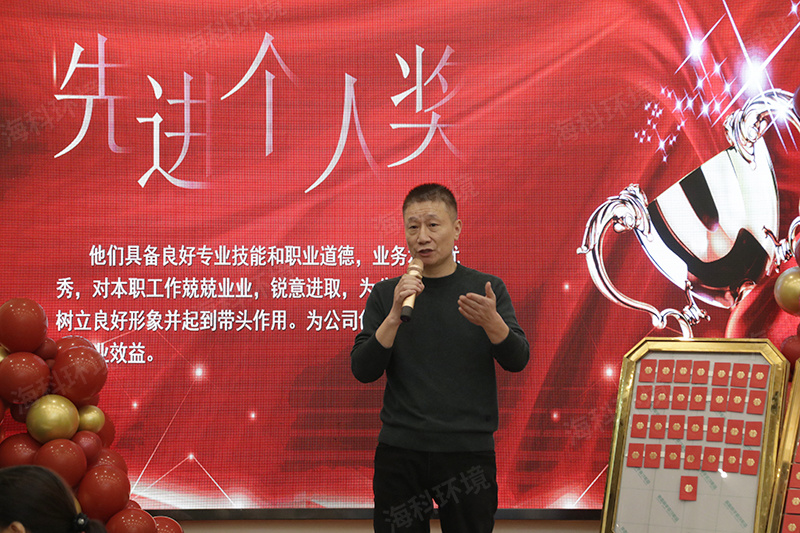
The 2023 Annual Meeting of Jiangsu Haike Environmental Technology Engineering Co., Ltd
2024-01-08
The 2023 Annual Meeting of Jiangsu Haike Environmental Technology Engineering Co., Ltd

Provide energy-saving and environmental protection equipment solutions

Mobile Website
Salesperson business card
No.1 Wei'er Branch Road, Shanggang Industrial Park, Jianhu County, Jiangsu Province
