ENERGY SAVING AND ENVIRONMENTAL PROTECTION EQUIPMENT AND ENGINEERING GENERAL CONTRACTING


 English
 Русский
 بالعربية
Understanding Industrial Bag Filters: A Key Component in Air Pollution Control
2026-11-21
Industrial bag filters are essential components in the realm of air pollution control, especially within industries where dust and particulate matter generation is a concern. These filters are designed to capture and retain airborne particles, thus maintaining compliance with environmental regulations and promoting workplace safety. Understanding their functionality and applications can significan
Industrial bag filters are essential components in the realm of air pollution control, especially within industries where dust and particulate matter generation is a concern. These filters are designed to capture and retain airborne particles, thus maintaining compliance with environmental regulations and promoting workplace safety. Understanding their functionality and applications can significantly enhance the efficiency of air purification systems.
At their core, industrial bag filters operate on the principle of particulate filtration, utilizing fabric materials to separate solids from gases. The choice of filter media—typically woven or non-woven fabrics—plays a crucial role in determining the filter’s efficiency and lifespan. Common materials include polyester, polypropylene, and even fiberglass, each offering unique advantages in terms of filtration efficiency and resistance to various chemical interactions.
One of the key considerations in the design of industrial bag filters is the dust load—the amount of particulate matter that the filter will need to capture. Efficient bag filters are designed to handle both high and low dust loads, ensuring optimal performance even in varying operational conditions. Engineers often employ advanced computational fluid dynamics (CFD) simulations to optimize the airflow through the filter, enhancing its collection efficiency and minimizing pressure drop, which can lead to increased energy consumption.
The filtration process can be classified into two main stages: the initial filtration, where larger particles are captured, and the secondary filtration, which targets finer particles. This staged approach ensures that the air leaving the filter is of the highest quality, contributing to better air quality in the workplace and the environment. Additionally, the implementation of regular maintenance protocols, including periodic cleaning or replacement of bag filters, is essential in sustaining their performance and preventing excessive energy use due to increased resistance.
Industrial bag filters are versatile and find applications across multiple sectors, including cement manufacturing, pharmaceuticals, food processing, and metalworking. In each of these industries, the need for effective dust control is paramount—not only to adhere to environmental standards but also to protect employee health and improve operational efficiencies.
Moreover, advancements in technology have led to the development of high-efficiency particulate air (HEPA) filters and electrostatic precipitators, which are sometimes integrated with traditional bag filter systems to enhance performance. As industries continue to prioritize sustainability, the demand for advanced air filtration technologies, including industrial bag filters, is expected to grow.
In conclusion, industrial bag filters are a cornerstone of air pollution control in numerous industrial applications. Their ability to effectively capture particulate matter, coupled with ongoing technological advancements, makes them an indispensable tool for achieving cleaner air and safer working conditions. Understanding their operation, maintenance, and application will empower professionals in various industries to optimize their air purification systems effectively.
Industrial bag filter
RELEVANT INFORMATION
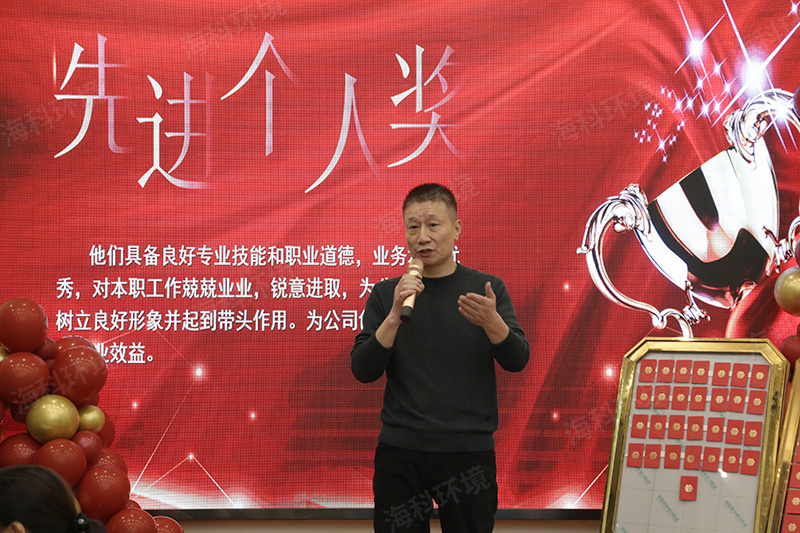
The 2023 Annual Meeting of Jiangsu Haike Environmental Technology Engineering Co., Ltd
2024-01-08
The 2023 Annual Meeting of Jiangsu Haike Environmental Technology Engineering Co., Ltd

Provide energy-saving and environmental protection equipment solutions

Mobile Website
Salesperson business card
No.1 Wei'er Branch Road, Shanggang Industrial Park, Jianhu County, Jiangsu Province
