ENERGY SAVING AND ENVIRONMENTAL PROTECTION EQUIPMENT AND ENGINEERING GENERAL CONTRACTING


 English
 Русский
 بالعربية
The Role of Coal Slime Dryers in Enhancing Process Automation
2026-06-07
The Role of Coal Slime Dryers in Enhancing Process Automation
Table of Contents
1. Introduction to Coal Slime Dryers
2. Understanding Coal Slime
3. The Importance of Drying Coal Slime
4. How Coal Slime Dryers Work
5. Advantages of Coal Slime Dryers in Process Automation
6. Applications of Coal Slime Dryers in Various Industries
7. The Future of Coal Slime Drying Technology
8. Conclusion
9. Freque
The Role of Coal Slime Dryers in Enhancing Process Automation
Table of Contents
- 1. Introduction to Coal Slime Dryers
- 2. Understanding Coal Slime
- 3. The Importance of Drying Coal Slime
- 4. How Coal Slime Dryers Work
- 5. Advantages of Coal Slime Dryers in Process Automation
- 6. Applications of Coal Slime Dryers in Various Industries
- 7. The Future of Coal Slime Drying Technology
- 8. Conclusion
- 9. Frequently Asked Questions
1. Introduction to Coal Slime Dryers
In the realm of industrial equipment and components, coal slime dryers have emerged as a pivotal technology, particularly in enhancing process automation. As industries strive for efficiency, productivity, and sustainability, the role of these drying systems becomes increasingly significant. This article explores the intricacies of coal slime dryers, their operational mechanisms, benefits, and future trends.
2. Understanding Coal Slime
Coal slime is a byproduct of coal mining and processing that typically consists of fine coal particles mixed with water and other impurities. This material poses several challenges, including environmental concerns and difficulties in efficient handling and processing. As coal slime can contain valuable energy resources, effective drying methods are essential for its utilization.
The Composition of Coal Slime
Coal slime primarily comprises:
- Fine coal particles
- Water content (ranging from 30% to 70%)
- Organic and inorganic materials
Understanding the composition of coal slime is vital for optimizing drying processes and determining the most suitable technology for handling it.
3. The Importance of Drying Coal Slime
Drying coal slime is crucial for several reasons:
- **Enhanced Energy Recovery:** Removing moisture from coal slime increases its calorific value, making it more effective as a fuel source.
- **Reduced Environmental Impact:** Moist coal slime can lead to pollution and waste management issues. Drying reduces these risks.
- **Facilitation of Processing:** Dried coal slime is easier to transport, handle, and process, leading to streamlined operations and reduced costs.
Environmental Benefits of Drying
The environmental implications of coal slime management cannot be overstated. Efficient drying technologies can significantly mitigate the ecological footprint of coal operations by minimizing waste and emissions.
4. How Coal Slime Dryers Work
Coal slime dryers function through a series of steps designed to remove moisture effectively. These processes can vary depending on the type of dryer used, but commonly include:
Heating Mechanisms
Coal slime dryers utilize various heating sources, such as:
- **Hot air:** Circulated through the drying chamber to evaporate moisture.
- **Steam:** Used in certain dryers to enhance heat transfer.
- **Direct contact:** Some systems allow direct contact between the heat source and coal slime for efficient drying.
Drying Process Steps
1. **Feeding:** Wet coal slime is fed into the drying system.
2. **Heating:** The heating mechanism evaporates moisture.
3. **Transport:** Dried material is transported out of the dryer.
4. **Cooling:** Some systems incorporate cooling units to stabilize the product.
This systematic approach ensures efficient and effective drying, optimizing process automation.
5. Advantages of Coal Slime Dryers in Process Automation
The integration of coal slime dryers into automated systems brings numerous advantages:
Increased Efficiency
Automated coal slime dryers operate continuously, enhancing throughput and reducing downtime. This efficiency translates to higher productivity and lower operational costs.
Energy Savings
Modern coal slime dryers are designed with energy efficiency in mind. Utilizing advanced technologies, these dryers minimize energy consumption while maximizing drying effectiveness.
Enhanced Control and Monitoring
Automation allows for real-time monitoring and control of drying parameters, leading to consistently high product quality. This capability ensures that moisture levels are precisely managed.
Reduced Labor Costs
With automated systems, the need for manual intervention is significantly reduced. This not only lowers labor costs but also minimizes human error, leading to improved operational reliability.
6. Applications of Coal Slime Dryers in Various Industries
Coal slime dryers find applications across multiple industries, including:
Mining Industry
In coal mining operations, these dryers are essential for processing coal slime, enhancing energy recovery, and reducing waste.
Cement Production
Dry coal slime can be used as a supplementary fuel in cement production, reducing reliance on traditional fuels and lowering emissions.
Power Generation
Coal slime, once dried, can be utilized in power plants, contributing to a more sustainable energy mix.
Brick Manufacturing
The dried product can also be used in brick manufacturing, providing a cost-effective and eco-friendly raw material.
7. The Future of Coal Slime Drying Technology
The future of coal slime drying technology is poised for innovation. Emerging trends include:
Integration of IoT and AI
The incorporation of Internet of Things (IoT) devices and Artificial Intelligence (AI) will enhance the automation capabilities of coal slime dryers. Predictive maintenance and real-time data analytics will lead to improved efficiency and reduced operational disruptions.
Advancements in Heat Exchanger Technology
Innovations in heat exchanger designs will increase energy efficiency further, enabling more sustainable drying processes.
Environmental Regulations
As environmental regulations become stricter, the development of eco-friendly drying technologies will be critical. Manufacturers are likely to focus on solutions that minimize emissions and energy consumption.
8. Conclusion
Coal slime dryers play a vital role in enhancing process automation within various industries. By improving efficiency, reducing environmental impact, and facilitating energy recovery, these systems contribute significantly to modern industrial practices. As technology continues to evolve, the future of coal slime drying will likely see even greater advancements, ensuring that it remains a critical component of sustainable industrial processes.
9. Frequently Asked Questions
What is a coal slime dryer?
A coal slime dryer is a specialized piece of industrial equipment designed to remove moisture from coal slime, enhancing its calorific value and making it easier to process.
How does a coal slime dryer improve process automation?
Coal slime dryers automate the drying process, increasing efficiency, reducing labor costs, and providing real-time monitoring and control.
What are the benefits of drying coal slime?
Drying coal slime enhances energy recovery, reduces environmental impact, and facilitates easier handling and processing.
What industries utilize coal slime dryers?
Coal slime dryers are used in mining, cement production, power generation, and brick manufacturing, among other industries.
What is the future of coal slime drying technology?
The future of coal slime drying technology includes advancements in IoT and AI integration, improved heat exchanger designs, and a focus on environmentally friendly solutions.
Coal slime dryer
RELEVANT INFORMATION
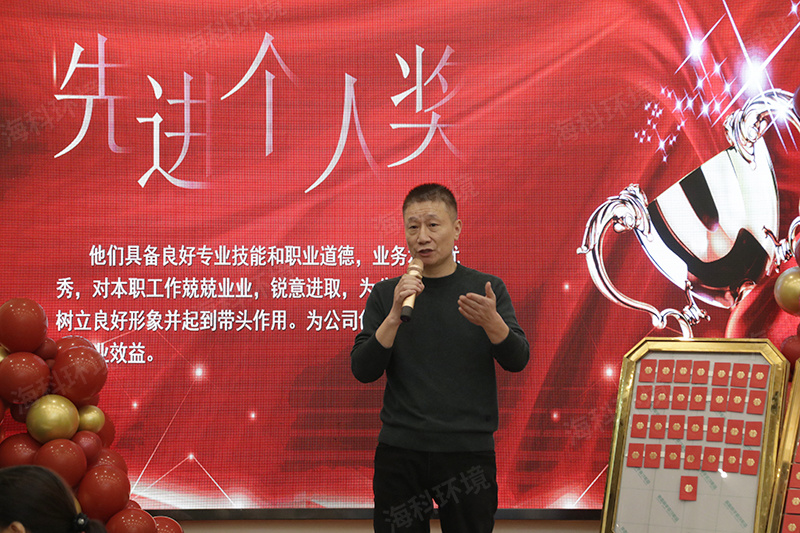
The 2023 Annual Meeting of Jiangsu Haike Environmental Technology Engineering Co., Ltd
2024-01-08
The 2023 Annual Meeting of Jiangsu Haike Environmental Technology Engineering Co., Ltd

Provide energy-saving and environmental protection equipment solutions

Mobile Website
Salesperson business card
No.1 Wei'er Branch Road, Shanggang Industrial Park, Jianhu County, Jiangsu Province
