ENERGY SAVING AND ENVIRONMENTAL PROTECTION EQUIPMENT AND ENGINEERING GENERAL CONTRACTING


 English
 Русский
 بالعربية
Maximizing Efficiency with Coal Dryers in Industrial Applications
2026-06-10
Coal dryers play a significant role in various industrial applications, particularly in the energy sector, where drying coal is essential for efficient combustion and energy generation. These specialized drying systems reduce the moisture content of coal, optimizing its thermal efficiency, enhancing combustibility, and improving overall energy output. In this article, we will delve into the core a
Coal dryers play a significant role in various industrial applications, particularly in the energy sector, where drying coal is essential for efficient combustion and energy generation. These specialized drying systems reduce the moisture content of coal, optimizing its thermal efficiency, enhancing combustibility, and improving overall energy output. In this article, we will delve into the core aspects of coal dryers, their operational principles, and the advantages they bring to industrial processes.
The primary function of a coal dryer is to eliminate excess moisture from the coal before it enters combustion systems. Moisture-laden coal can lead to issues such as decreased heating value and increased emissions. By utilizing a coal dryer, industries can achieve a more consistent and efficient fuel source. The drying process typically involves the use of hot air or other drying mediums to evaporate water content, transforming wet coal into a drier, more efficient product.
One of the significant advantages of using a coal dryer is the enhancement of combustion efficiency. Dry coal burns more completely than wet coal, resulting in a more stable and consistent energy output. This improvement not only maximizes the burning process but also reduces the volume of unburned materials, contributing to lower emissions of pollutants. Consequently, industries can operate within stricter environmental regulations while maintaining productivity.
Moreover, coal dryers can contribute to cost savings in several ways. By optimizing fuel efficiency, companies can reduce their overall energy consumption, lowering operational costs. Additionally, the use of drier coal may decrease wear on combustion equipment, leading to lower maintenance costs and longer equipment lifespan. The integration of a coal dryer can also enhance storage capabilities, as drier coal is less susceptible to spoilage and can be stored for more extended periods without degradation.
When considering the implementation of coal dryers, it's essential to assess the specific requirements of your operation. Factors such as the type of coal, the desired moisture content, and the scale of production will influence the choice of drying technology. Various drying methods exist, including rotary dryers, fluidized bed dryers, and conveyor dryers, each offering unique advantages depending on the application.
In conclusion, coal dryers are invaluable assets in the industrial sector, particularly for companies relying on coal as a primary energy source. By effectively reducing moisture content and enhancing combustion efficiency, these drying systems play a crucial role in optimizing energy production and facilitating compliance with environmental standards. Evaluating the specific needs of your operation can help ensure you select the most suitable coal dryer technology, ultimately driving productivity and profitability.
The primary function of a coal dryer is to eliminate excess moisture from the coal before it enters combustion systems. Moisture-laden coal can lead to issues such as decreased heating value and increased emissions. By utilizing a coal dryer, industries can achieve a more consistent and efficient fuel source. The drying process typically involves the use of hot air or other drying mediums to evaporate water content, transforming wet coal into a drier, more efficient product.
One of the significant advantages of using a coal dryer is the enhancement of combustion efficiency. Dry coal burns more completely than wet coal, resulting in a more stable and consistent energy output. This improvement not only maximizes the burning process but also reduces the volume of unburned materials, contributing to lower emissions of pollutants. Consequently, industries can operate within stricter environmental regulations while maintaining productivity.
Moreover, coal dryers can contribute to cost savings in several ways. By optimizing fuel efficiency, companies can reduce their overall energy consumption, lowering operational costs. Additionally, the use of drier coal may decrease wear on combustion equipment, leading to lower maintenance costs and longer equipment lifespan. The integration of a coal dryer can also enhance storage capabilities, as drier coal is less susceptible to spoilage and can be stored for more extended periods without degradation.
When considering the implementation of coal dryers, it's essential to assess the specific requirements of your operation. Factors such as the type of coal, the desired moisture content, and the scale of production will influence the choice of drying technology. Various drying methods exist, including rotary dryers, fluidized bed dryers, and conveyor dryers, each offering unique advantages depending on the application.
In conclusion, coal dryers are invaluable assets in the industrial sector, particularly for companies relying on coal as a primary energy source. By effectively reducing moisture content and enhancing combustion efficiency, these drying systems play a crucial role in optimizing energy production and facilitating compliance with environmental standards. Evaluating the specific needs of your operation can help ensure you select the most suitable coal dryer technology, ultimately driving productivity and profitability.
Coal Dryer
RELEVANT INFORMATION
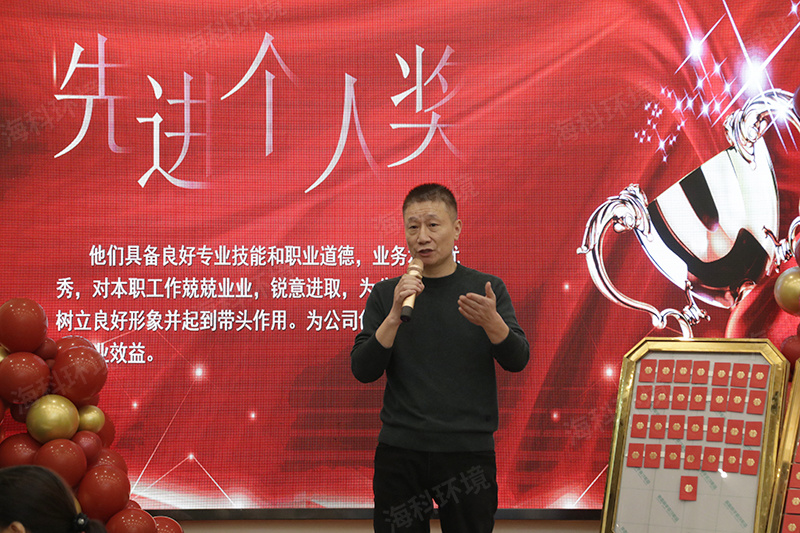
The 2023 Annual Meeting of Jiangsu Haike Environmental Technology Engineering Co., Ltd
2024-01-08
The 2023 Annual Meeting of Jiangsu Haike Environmental Technology Engineering Co., Ltd

Provide energy-saving and environmental protection equipment solutions

Mobile Website
Salesperson business card
No.1 Wei'er Branch Road, Shanggang Industrial Park, Jianhu County, Jiangsu Province
